
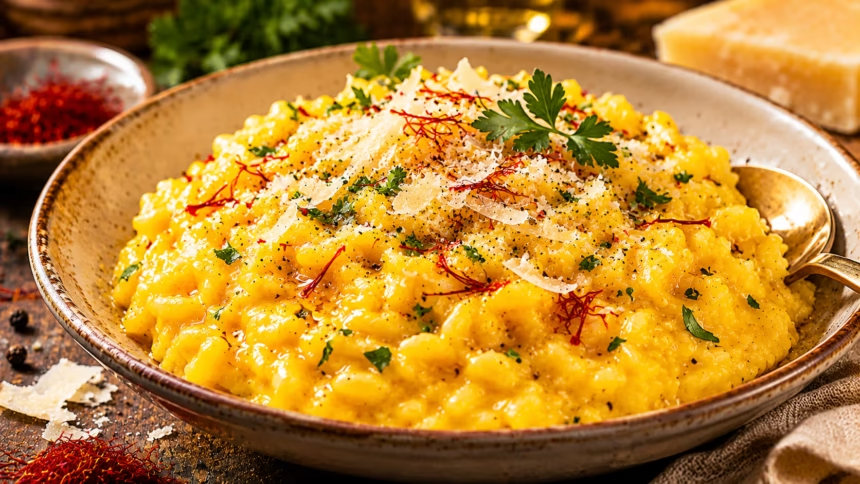
There is something very comforting about a bowl of thick, creamy saffron risotto straight from the pan. Arborio rice with its smooth texture, deep buttery taste, the perfume of saffron threads blooming in warm broth, and savory finish of Parmesan cheese make for a restaurant-quality dish that feels sumptuous and unexpectedly possible at home. A good saffron risotto is not about pushing things along it’s about steady stirring, perfect broth absorption, and building flavor layer by layer until each spoonful is creamy, glossy, and deeply delicious.
Whether you’re making a comfortable handmade Italian dish or creating an exquisite dinner for guests, this creamy saffron risoto recipe delivers rich flavor, golden color and the right creamy rice consistency every time. I prefer to prepare saffron risoto on lazy evenings since the smell of butter, parmesan and saffron makes the kitchen smell wonderfully homey and comforting.
READ MORE: How to make Creamy Italian Alfredo Pasta
Why Saffron Risoto Is So Popular
The combination of simplicity and elegance has made saffron risotto one of the most popular Italian comfort foods. The rice has a rich texture and the saffron aroma provides warmth and depth without overwhelming the dish.
What makes creamy saffron risotto so special is the perfect mix of ingredients. The butter and olive oil offer richness, the parmesan cheese adds savory depth and the arborio rice naturally releases starches that create the trademark silky texture. The rice is cooked just so, little al dente, but still creamy and silky.
Preparing a saffron risotto at home also offers home cooks a gourmet cooking experience. Slow cooking may appear frightening at first, but as you start understanding how the broth is absorbed and the constancy of texture, it’s a peaceful and satisfying procedure.
Best Ingredients for Saffron Risoto
The secret for a real saffron risoto starts from the choice of the proper ingredients. Since the dish has very few components, every element is crucial in terms of texture and flavor.
Arborio Rice
You’ll need Arborio rice for that creamy risotto texture. The high starch level lends it the creamy texture that defines restaurant-style risotto. Do not use long grain rice as it won’t yield the same creamy results.
Saffron Threads
The trademark golden color and fragrant scent is derived from saffron threads. Don’t overdo it, a little goes a long way. Saffron blooms in warm water or broth, distributing its flavor evenly.
Warm Broth
The broth remains warm, and this helps maintain a steady temperature throughout cooking and helps the rice absorb the liquid slowly. Chicken broth lends richer savory flavor and veggie broth works great for vegetarian saffron risoto..
Parmesan Cheese
The risotto dissolves in your mouth, the freshly grated parmesan adds a delicious umami flavor. Skip pre-shredded cheese, which may not melt evenly.
Butter and Olive Oil
The initial layer of flavor is from finely sliced shallots or onions that melt naturally into the creamy rice.
Onion or Shallots
The initial layer of flavor is from finely sliced shallots or onions that melt naturally into the creamy rice.
Garlic
A small amount of garlic adds warmth without overpowering the saffron.
White Wine (Optional)
The dry white wine adds brightness and richness, but the risoto is still great without it.
Step-by-Step Saffron Risoto Recipe
Step 1: Preparing the Saffron
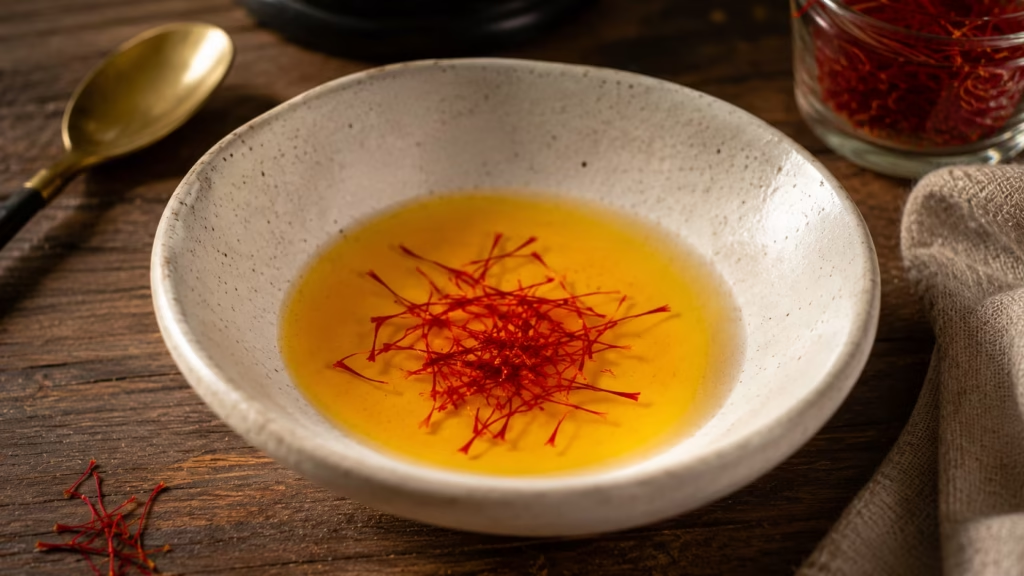
First, warm about 4 cups of broth in a pot over low heat. Do not boil it hard. Warm broth is absorbed more uniformly into arborio rice and helps to keep the creamy smoothness.
Place a pinch of saffron threads in a small bowl with 2 tablespoons of warm broth or water. Allow the saffron to steep in the liquid for 5-10 minutes, until it is a rich golden color. As it blooms, it delivers the aroma and color gently throughout the meal.
A typical mistake is to put the dry saffron directly into the rice. Blooming the threads first gives a smoother, more balanced saffron flavor.
Step 2: Toasting the Rice
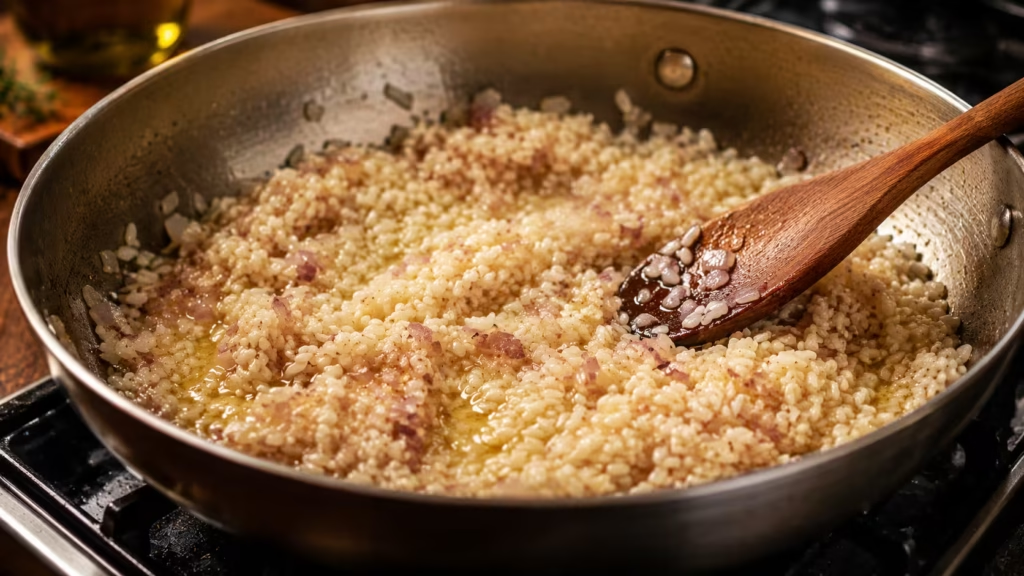
In a large, heavy-bottomed skillet, heat 1 tablespoon of olive oil and 2 tablespoons of butter over medium heat. Add a finely chopped shallot or onion and simmer for 3-4 minutes until tender and transparent.
Add chopped garlic and heat until fragrant, 30 seconds.
Add 1 and 1/2 cups arborio rice. Stir constantly for 2-3 minutes until grains are lightly toasted and covered with butter and oil. The borders of the rice should seem a little translucent but the center should be white.
This step is important for true risotto cooking as toasted rice will absorb broth slowly and have the right consistency of texture. In my experience, an extra minute or so to thoroughly toast the arborio rice makes a world of difference in the final texture. The risotto becomes much richer and the buttery flavor deepens.
(If you are using white wine, add roughly ½ cup and whisk until largely absorbed.)
Step 3: Adding the Broth Slowly
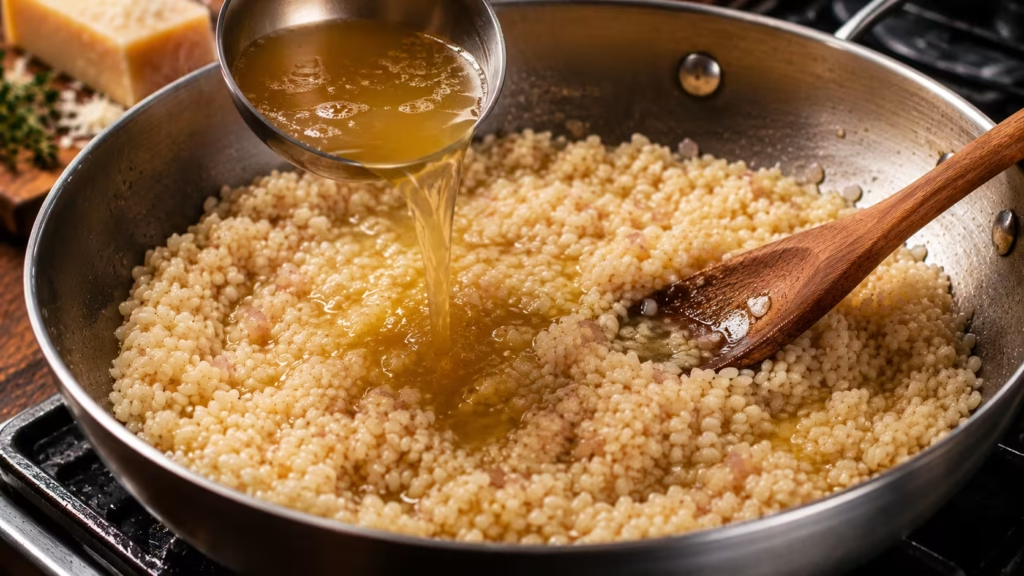
Start adding warm broth, one ladle at a time. Stir slowly but steadily while the rice absorbs the liquid. Add the next ladle when most of the soup is absorbed.
This slow method of broth absorption naturally produces the creamy rice texture without cream.
I used to be impatient with this stage and put too much broth in at once, but it is really the steady addition that gives that creamy restaurant-style texture that makes risotto so great.
Stir in the saffron mixture after the second ladle of soup. The risoto will eventually acquire its lovely golden color and subtle aroma.
Cooking time is normally 18-22 minutes. Do not add a lot of broth at one time and do not rush. The layering of slow cooked risotto gives superior texture and flavor.
A good sign of texture is when the rice gradually glides across the pan, not resting stiffly.
Step 4: Building Creamy Texture
The characteristic creaminess of the dish comes from the starches released by the cooking arborio rice. Stir at intervals, especially towards the end of the cooking.
The rice should be a little bit firm in the middle, the characteristic al dente texture. Overcooking can transform the risotto into a mushy, hefty dish.
If the mixture gets too thick before the rice is cooked, add another tiny ladle of warm broth.
A good tip for homemade saffron risoto is to keep the heat reasonable. If the heat is too high, the broth may evaporate before it has been absorbed properly.
At this point the smell is quite buttery, cheesy, and saffron-infused.
Step 5: Finishing with Butter and Parmesan
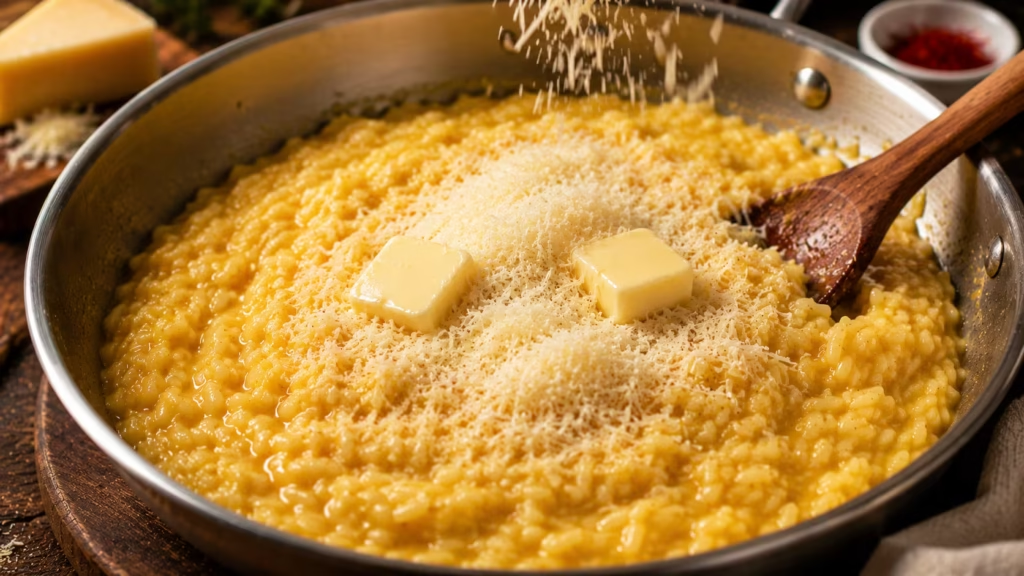
When the rice is creamy remove the pan from the heat.
Stir and add at once:
2 tbsp cold butter
¾ cup freshly grated Parmesan cheese
This final stage, sometimes referred to as mantecare in the traditional risotto procedure, gives the glossy and velvety texture that accompanies restaurant-quality risotto.
The butter melts into the starches, the Parmesan melts into the rice. The final effect should seem decadent and sumptuous, but not too much.
Do not add the cheese while the pan is still on a vigorous heat, because it will curdle and not melt smoothly.
Step 6: Adjusting Flavor and Consistency
Taste the risoto and carefully adjust salt and black pepper. Parmesan is salty already so be sure to season gradually.
The perfect saffron risotto should be creamy and flowing, not dry and stiff. Add a splash of heated broth just before serving if you want.
A good risotto will be creamy but still keep its shape on the platter.
If the flavor is excessively strong, especially from saffron, a small knob of butter can soften and balance the taste naturally.
Step 7: Garnishing and Serving
Serve saffron risoto immediately while hot and creamy. Risotto thickens quickly as it cools.
For garnishing, try:
- Freshly grated Parmesan cheese
- Fresh parsley
- Cracked black pepper
- Extra saffron threads
- A drizzle of olive oil
The golden risotto looks elegant in shallow bowls and pairs beautifully with roasted vegetables, seafood, or grilled chicken.
The aroma of warm saffron, melted Parmesan, and butter creates an incredibly cozy and luxurious dinner experience.
Tips for the Best Creamy Saffron Risoto
Always keep the broth hot while cooking. If the broth is cold, it may break the cooking process and can damage the consistency of the texture.
Do not use regular rice. Use arborio rice or some other risotto specific rice variety. Regular rice doesn’t have the starch for creaminess.
Stir frequently but not vigorously. Gently stir, so starch is released but grains are not broken.
Be cautious to balance the saffron. Too much saffron might make for bitterness, not warmth.
Packaged cheese is not as good melting, and not as good flavour naturally, as fresh Parmesan cheese.
Best served immediately, for a velvety risotto texture. Don’t wait too long or rice may get too thick.
Common Mistakes When Making Risoto
Adding Cold Broth
Cold broth slows cooking and affects creamy texture development.
Overcooking the Rice
Risotto should remain slightly al dente instead of soft and mushy.
Using Too Much Saffron
Excess saffron can overpower the dish and create bitterness.
Skipping the Stirring Process
Consistent stirring helps release starches that create creamy rice consistency.
Using the Wrong Rice
Long-grain rice will not produce authentic risotto texture.
Making the Risotto Too Thick
Risotto should flow gently rather than sit like dense rice pudding.
How to Store and Reheat Saffron Risoto
Store leftover saffron risoto in an airtight container in the refrigerator for up to 3 days.
To reheat, place the risotto in a pan over low heat with a splash of warm broth or water. Stir gently until creamy again.
Avoid microwaving without extra liquid because the rice can dry out quickly.
Glass storage containers work especially well because they maintain freshness and prevent absorption of strong refrigerator odors.
Best Variations of Saffron Risoto
Mushroom Saffron Risoto
Add sautéed mushrooms for earthy flavor and deeper richness.
Seafood Saffron Risoto
Shrimp or scallops pair beautifully with saffron aroma and buttery rice.
Vegetarian Saffron Risoto
Use vegetable broth and finish with extra Parmesan and herbs.
Parmesan Saffron Risoto
Increase Parmesan slightly for a cheesier and richer texture.
Creamy Garlic Saffron Risoto
Add roasted garlic for deeper savory flavor.
Final Thoughts
A good saffron risotto is cozy and elegant and immensely delicious all at once. Arborio rice is creamy, the saffron scent is warm, the butter is rich and the Parmesan cheese is melted, making for a lavish dinner that tastes like restaurant grade but is still possible in a home kitchen.
Broth absorption, steady stirring, and texture uniformity are the key to making homemade saffron risoto far less daunting and much more pleasurable to make. The beauty of this dish is its simplicity and the care of technique.
This creamy saffron risotto recipe is the kind of warm Italian dish you’ll want to cook time and time again. Once I got used to the tedious stirring process, homemade saffron risoto honestly became one of my favorite comfort-food dinners to cook at home.