
Who says healthy meals have to be boring? When I’m craving something creamy and comforting, pasta is usually at the top of my list. The trick is adding more protein so it keeps you full and satisfied.
Chicken, cottage cheese, Greek yogurt, beans, and chickpea pasta are some of my favorite ways to make a simple pasta dish more filling. They’re easy to work into everyday recipes without taking away from the flavor.
If you love pasta but want a meal that feels a little more balanced, these high-protein pasta recipes are worth trying.
READ MORE: Easy Yakisoba Noodles Recipe In 20 Minutes
Why High Protein Pasta Is Popular
A good high protein pasta dinner combines convenience, flavor, and balanced nutrition in one bowl. Protein helps make meals more filling, which is why many people prefer protein-packed pasta dishes over traditional low-protein pasta meals.
Another reason healthy high protein pasta recipes are trending is meal prep convenience. Many high-protein pasta dishes keep well in the fridge and reheat well for lunches or quick weekday dinners.
Protein pasta recipes are very popular also, as they are fitness-friendly meals. You can still make balanced pasta dinners with ingredients like chickpea spaghetti, chicken breast, Greek yogurt and cottage cheese, without compromising creamy texture or cozy flavor.
Homemade high protein pasta is more nourishing than typical pasta dishes full of heavy cream and little protein, yet still gives you that classic comfort food experience.
Best Ingredients for High Protein Pasta
The secret to a delicious protein pasta recipe starts with smart ingredient choices. The goal is to combine flavor, texture, and protein without making the dish feel overly dense or dry.
Chickpea Pasta
Chickpea pasta is one of the best options for a protein-rich dinner because it naturally contains both protein and fiber. It has a slightly nutty flavor and holds creamy sauces very well.
Lentil Pasta
Lentil pasta cooks quickly and has a great texture for meal prep recipes. Red lentil pasta goes especially well with tomato-based sauces and spicy protein pasta meals.
Whole Wheat Pasta
Whole wheat pasta has a slightly heavier texture and more fiber than ordinary pasta. It’s good with lean protein items like chicken or turkey.
Chicken
Chicken breast remains one of the easiest lean protein additions for a high protein pasta meal. Proper seasoning and careful cooking prevent dryness while keeping the dish flavorful.
Cottage Cheese
Cottage cheese makes a creamy, cheesy protein sauce without all the heavy cream. Blended cottage cheese works great in healthy creamy pasta recipes.
Greek Yogurt
Greek Yogurt offers tang and creaminess as well as a protein punch. It’s particularly good in creamy garlic sauces.
Parmesan Cheese
Parmesan offers a salty depth and helps to balance the flavor of healthy pasta sauce recipes.
Protein-Rich Vegetables
Spinach, peas, broccoli, mushrooms and roasted peppers all add texture and colour, as well as added nutrients and a natural compliment to the pasta.
Step-by-Step High Protein Pasta Recipe
This easy homemade recipe creates a creamy, balanced, and flavorful high protein pasta perfect for weeknight dinners or meal prep.
Step 1: Choosing the Pasta
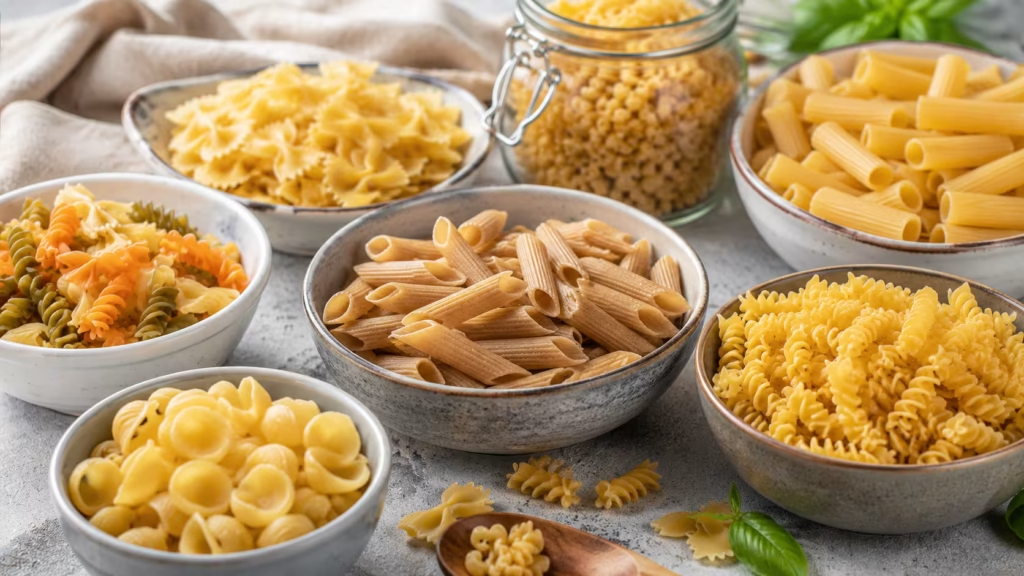
Start with a protein-friendly pasta base. Chickpea pasta and lentil pasta are good options as they have quite a bit more protein than regular pasta.
Whole wheat pasta works very well for a softer texture closer to ordinary pasta.
Don’t overcook the protein pasta. Chickpea and lentil varieties can get mushy rapidly if left cooking too long. Always cook just to al dente for the greatest texture.
A typical misconception is assuming that protein pasta is much like ordinary pasta. It cooks faster and takes sauce differently so be sure to read the packaging directions carefully.
Step 2: Preparing the Protein Ingredients
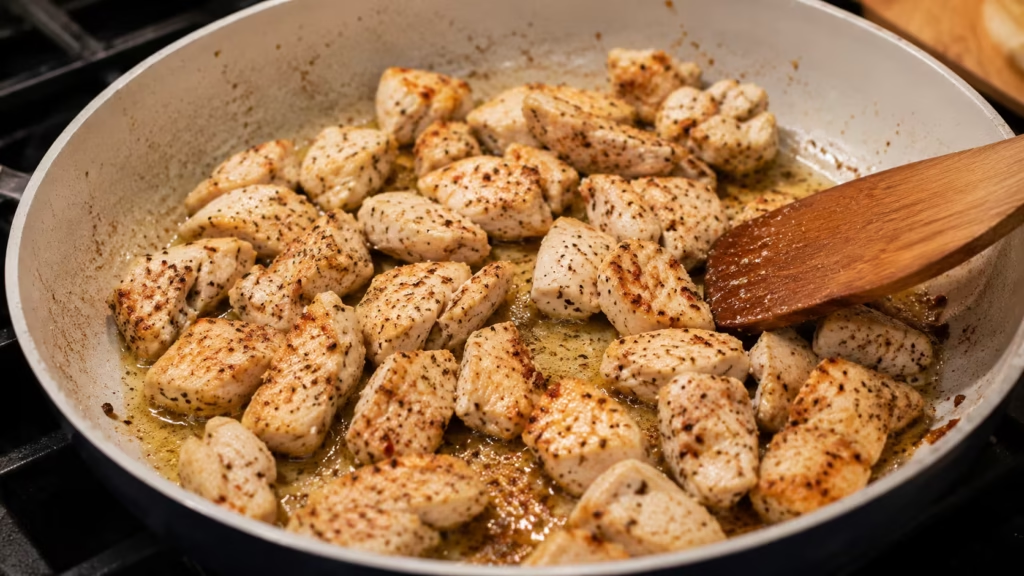
For a classic chicken pasta recipe, season chopped chicken breast with garlic powder, black pepper, paprika, salt and Italian seasoning.
Add the chicken in olive oil and cook over medium heat for 6-8 minutes until golden brown and cooked through. The chunks should be juicy in the middle with slightly crispy edges.
Or make vegetarian high protein pasta instead. Sauté mushrooms, spinach or tofu. And you can still get enough of protein without meat, such cottage cheese and Greek yogurt.
Don’t crowd the pan when cooking chicken. Steaming doesn’t allow for appropriate browning and flavor development.
Step 3: Cooking the Pasta Properly
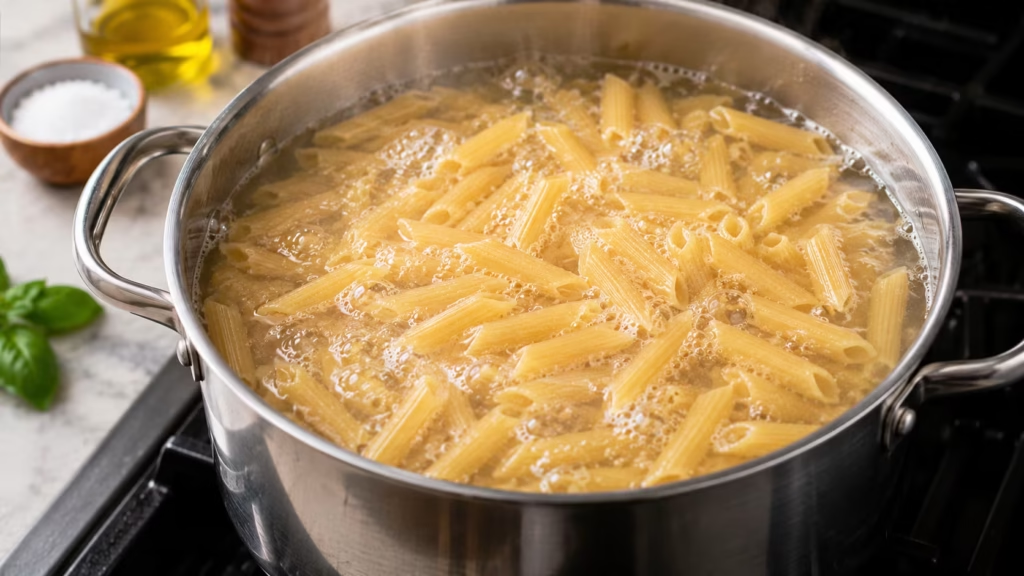
Bring a large pot of salted water to a boil and add the pasta. The salted water will flavor the pasta and improve the overall balance of flavors.
Cook the pasta until firm in the center. High protein pasta will soften more once mixed with sauce, therefore stopping early can help preserve texture.
Reserve roughly a cup of the pasta water before draining. This starchy liquid will help to make a smooth sauce later.
Another typical error is rinsing pasta after cooking. That washes away the starch that helps sauces stick correctly.
Step 4: Making the Sauce
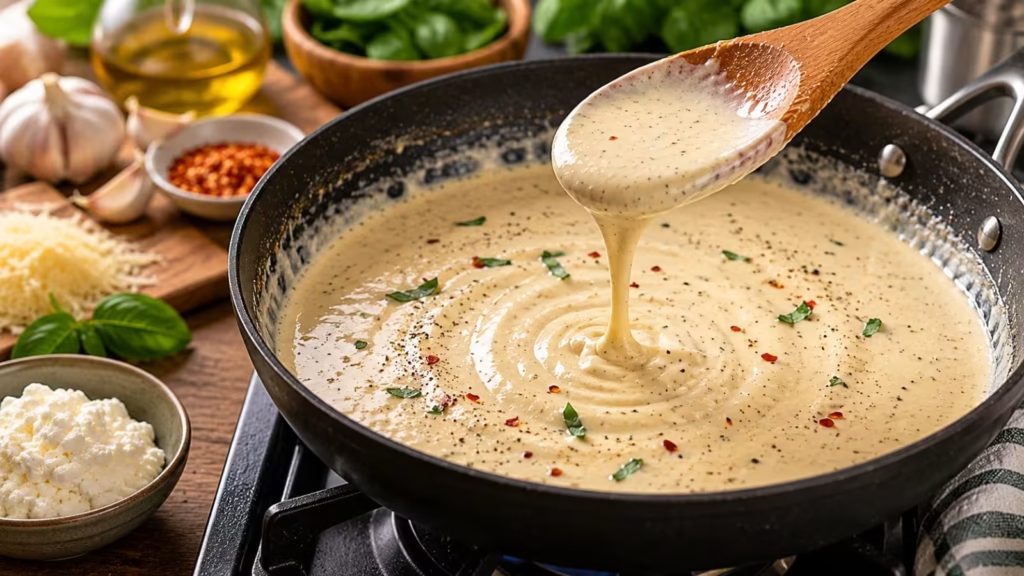
With a creamy protein-rich sauce, this dish becomes healthful comfort food.
Combine cottage cheese, greek yogurt, garlic, parmesan cheese, black pepper, and a splash of saved pasta water in a blender until smooth. The sauce should be creamy and a little heavy.
Over low heat, warm the sauce slightly. Greek yogurt can break down and get gritty with high heat.
Add roasted garlic, chile flakes, basil or spinach for taste. Tomato paste is also a great pasta sauce that is heavier in protein.
The trick to healthy creamy pasta is to keep the richness without weighing the sauce down.
Step 5: Combining the Ingredients
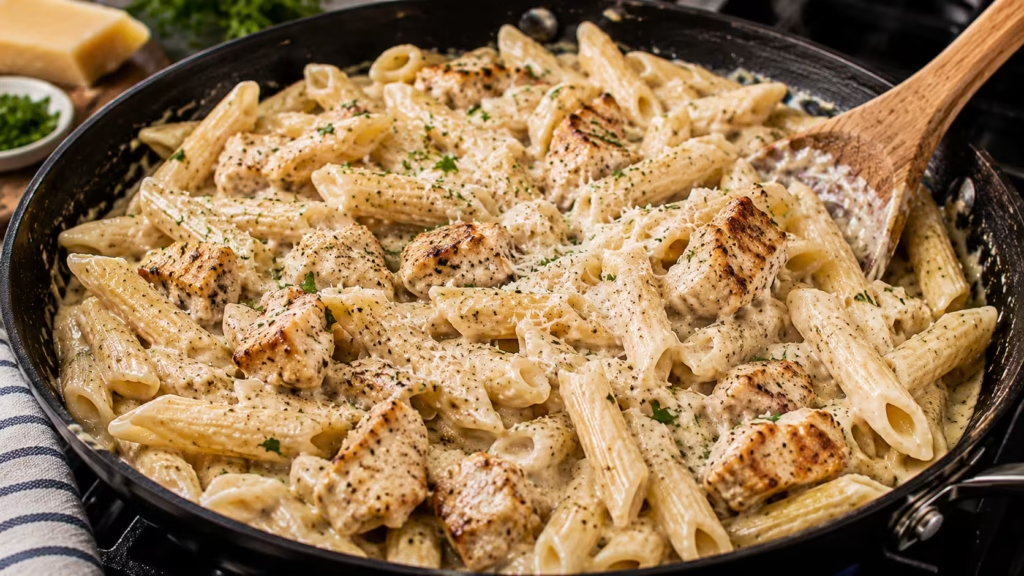
Add the cooked pasta and chicken to the sauce pan slowly, stirring gently.
If the sauce is too thick, add a little pasta water, a tablespoon at a time, until the sauce is smooth and shiny.
At this point the spaghetti should be creamy, not dry or sticky. Make sure all of the pieces are evenly coated with sauce.
Let everything cook together for 1-2 minutes to properly meld the flavors.
Step 6: Adjusting Texture and Flavor
Taste the pasta before serving and season carefully.
Sometimes, protein-rich products require a little extra salt, acid or herbs to add brightness to the overall flavor. Lemon juice can make creamy dishes taste lighter and fresher.
If the pasta seems a little heavy, throw in some more spinach or roasted veggies to balance it. Top with more parmesan cheese or a little olive oil for further richness.
Step 7: Final Garnishing and Serving
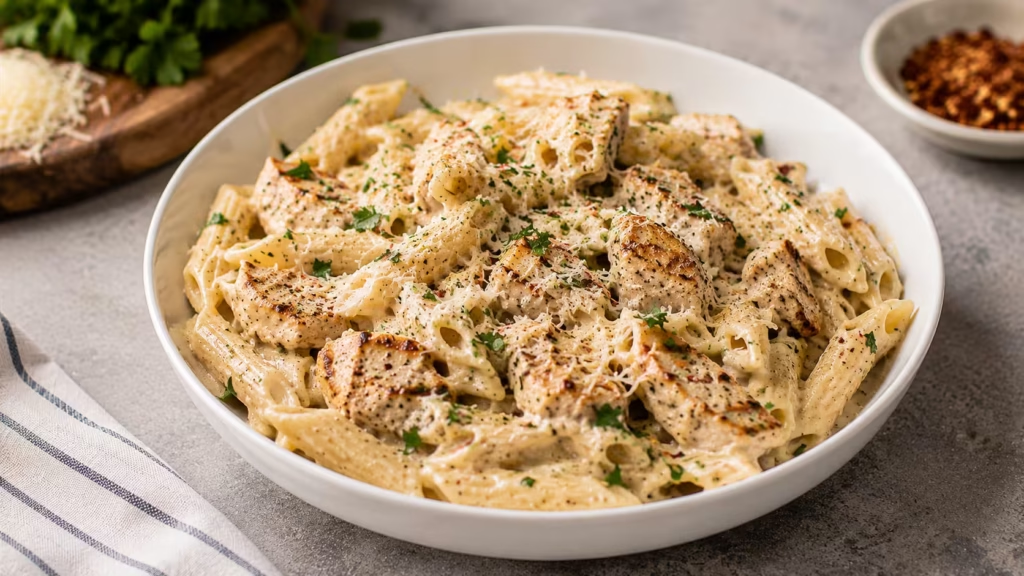
Serve the pasta with freshly grated parmesan, chopped parsley, cracked black pepper or red chile flakes.
Serve hot and creamy immediately. Serve it with roasted veggies or a light salad for a well-rounded pasta dinner.
You want the final product to be comfortable, cheesy, savory and gratifying but not too heavy.
Tips for the Best High Protein Pasta
The biggest challenge with homemade high protein pasta is maintaining creamy texture without dryness.
Always conserve pasta water. It helps recipes to relax naturally without having too much oil or cream.
Select pasta forms that will contain the sauce, such as penne, rotini or shells. These trap creamy, protein-rich sauce inside each bite.
Don’t just dump a significant amount of protein powder into sauces. It can produce a chalky texture and an unnatural flavor.
For meal prep dishes, cook the pasta a little less so it reheats better later.
Greek yogurt and cottage cheese taste better when combined smooth before cooking. This delivers a silky healthy pasta sauce and not the gritty one.
Common Mistakes When Making High Protein Pasta
Most common faults include overcooking your chickpea or lentil pasta. Protein pasta can go mushy if over-boiled, and gets soft rapidly.
Another concern is using dry sauces that lack sufficient moisture. Sauces should be a little looser than you might imagine because high-protein items soak up liquid naturally.
Bad seasoning is also a flavor problem. To make a balanced and enjoyable protein-rich dinner you need enough herbs, garlic, cheese and salt to taste.
The issue is some people go overboard with recipes and add too much protein powder which can spoil texture and add an unnatural taste.
If you go for low quality Parmesan or watery cottage cheese, the richness of the final meal can be affected.
How to Store and Reheat High Protein Pasta
Store leftover high protein meal prep pasta in airtight containers inside the refrigerator for up to four days.
Glass containers are particularly good since they hold freshness and heat evenly.
When reheating, add a splash of milk, broth or water before cooking the pasta. This helps to restore the creamy texture, and to avoid dryness.
Microwave in short interval, stirring occasionally. For optimal texture, gently reheat on the stovetop over low heat.
Greek yogurt can curdle when it gets too hot, so don’t cook it in a sauce beyond a simmer.
Best Variations of High Protein Pasta
Chicken Protein Pasta
Lean chicken breast with creamy Parmesan yogurt sauce creates a balanced and satisfying meal.
Vegetarian High Protein Pasta
Use lentil pasta, spinach, mushrooms, peas, and cottage cheese for a flavorful meat-free option.
Cottage Cheese Pasta
Blended cottage cheese creates a rich, creamy sauce packed with protein.
Spicy Protein Pasta
Add chili flakes, Cajun seasoning, or spicy tomato sauce for extra heat and bold flavor.
Creamy High Protein Pasta
Greek yogurt, Parmesan, and roasted garlic create a silky healthy comfort meal with excellent texture.
Final Thoughts
A well-made high protein pasta recipe proves that healthy comfort food can still feel creamy, satisfying, and full of flavor. By combining protein-rich ingredients, balanced sauces, and properly cooked pasta, you can create a nutritious dinner that tastes genuinely comforting instead of restrictive.
Whether you prefer chicken pasta, cottage cheese pasta, or fiber-rich chickpea pasta, these recipes are practical enough for busy weeknights while still feeling homemade and rewarding. Experiment with different sauces, vegetables, and protein combinations until you find your perfect balanced pasta meal.
With the right ingredients and cooking techniques, healthy pasta dinners can easily become one of the most delicious parts of your weekly routine.