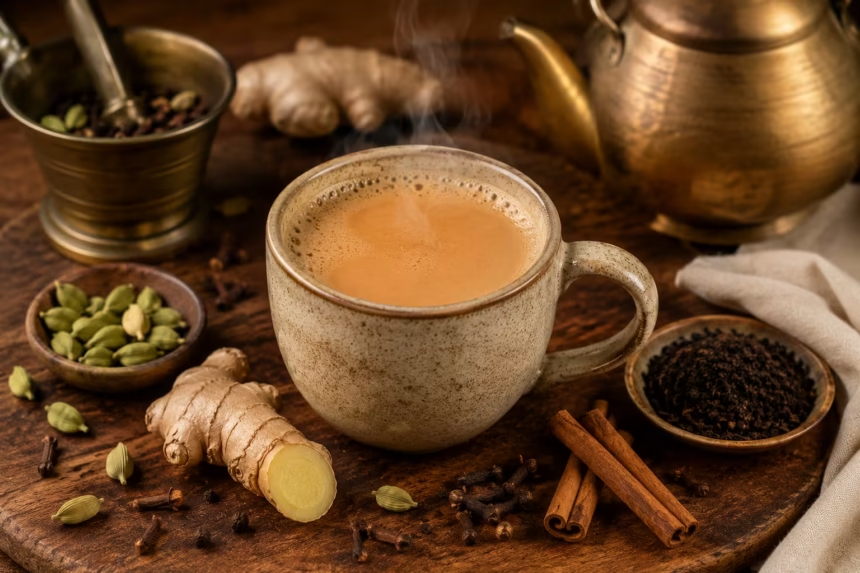
There is something so comfortable about a hot cup of masala chai simmering on the stove. The kitchen is instantly filled with warmth by the rich aroma of black tea leaves, fresh ginger, cardamom and boiled milk. Ever wondered what is chai? Chai simply means tea. But traditional Indian chai is much more than a simple cup of tea. It is a fantastic home made comfort beverage mixing spices, milk and strong tea brewing techniques. In this article, we will teach you how to make classic Indian chai from scratch with simple ingredients, balanced spices and authentic brewing procedures to make the perfect cup every time.
READ MORE: Sugar Cookie Recipe: Soft, Chewy, No-Spread Cookies Explained
What Is Chai?
If you’re wondering what is chai, the word ‘chai’ simply means tea in India. But in conversation the most common reference to Indian chai is a spiced milk tea produced by boiling black tea leaves with milk, sugar and fragrant Indian spices.
Unlike regular tea, which is made with hot water, masala tea is simmered to achieve a richer texture and more complete flavor. The homemade version tastes fresher since you may balance the spices, the strength of the tea, sweetness and ratio of milk to your liking. And that’s what makes a real handcrafted chai experience so wonderful.
Ingredients Needed for Traditional Masala Chai
A good Indian chai recipe starts with simple ingredients used in the right balance. Every ingredient contributes to the flavor, aroma, and creamy texture of the tea.
Basic Ingredients
- 2 cups water
- 1 cup milk
- 2 teaspoons black tea leaves
- 2–3 teaspoons sugar
- 1-inch fresh ginger, crushed
- 3–4 green cardamom pods
- 1 small cinnamon stick
- 2 cloves
Optional Chai Spices
- Black pepper
- Fennel seeds
- Nutmeg
- Star anise
Ingredient Breakdown
Black Tea Leaves
Strong black tea leaves are necessary for a good chai tea preparation. Assam tea is particularly good since it is strong and black. Watery chai might be the result of weak tea leaves.
Milk
Milk lends an Indian milk tea its creamy texture. Full fat milk will give you the richest flavor, but toned milk works well too.
Ginger
Fresh ginger gives warmth and bite. A basic ginger chai always has more aroma if fresh ginger is crushed instead of sliced.
Cardamom
Cardamom is a fragrant, flowery spice that is essential in true masala chai. Crushing the pods releases more flavor when boiling the tea.
Cinnamon & Cloves
Cinnamon gives warmth, cloves a more complex spicy note. Together they give the tea its characteristic street-style chai smell.
Sugar
The sugar cuts the spices and harshness of the tea leaves. You can also modify sweetness to your preference.
How to Make Traditional Indian Chai from Scratch
This is the heart of the recipe. Mastering the art of making traditional Indian chai is all about time, boiling and harmonizing flavours.
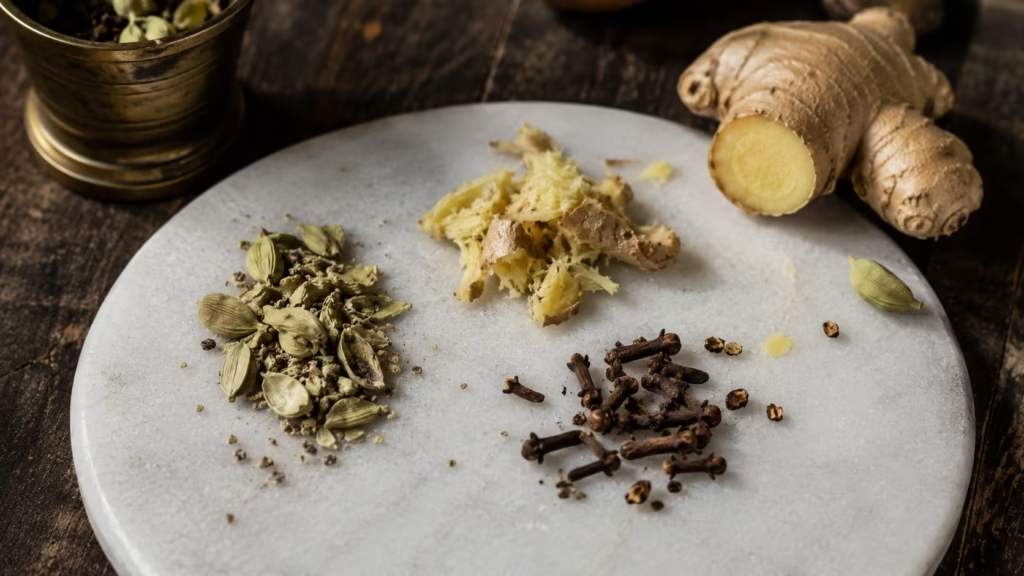
Step 1: Crush the Spices
Lightly crush:
- cardamom pods
- ginger
- cloves
This helps to release the essential oils when the tea is brewed. Do not use very fine spice powder since it can make the tea gritty.
Step 2: Boil Water with Spices
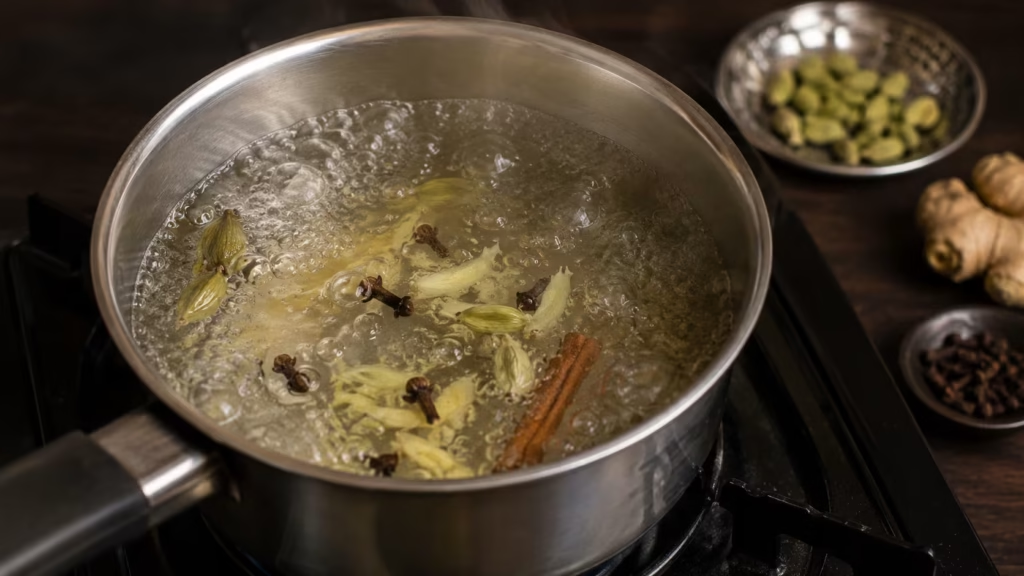
In a saucepan, add:
- water
- ginger
- cardamom
- cinnamon
- cloves
Bring to a moderate boil for 2-3 minutes. This allows the spices to steep the water before adding the tea leaves. By now the kitchen should be beginning to fill with the scent of fresh spices and hot tea masala.
Step 3: Add Black Tea Leaves
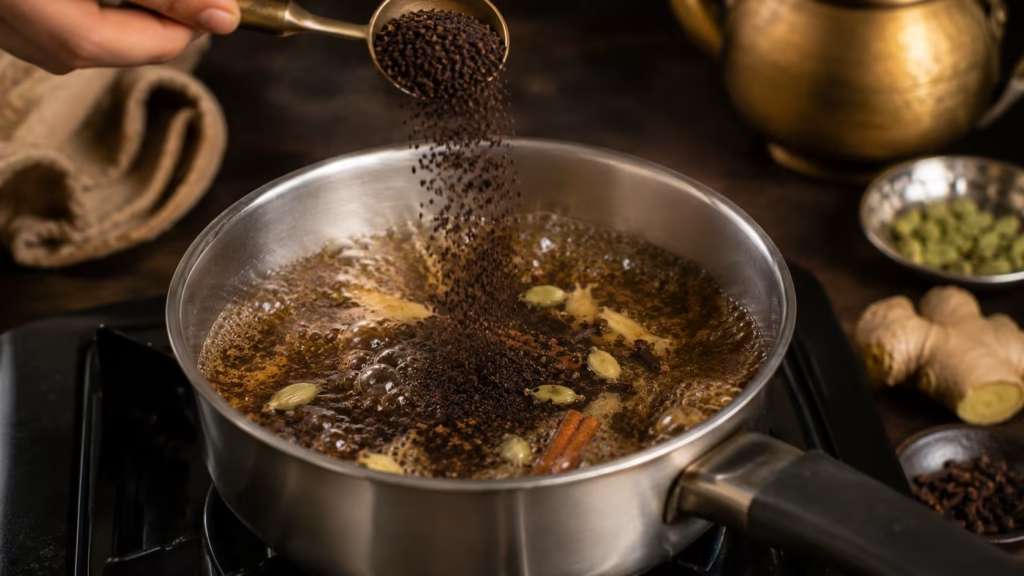
When the spices have simmered add the black tea leaves.
Allow the tea to boil for 1–2 minutes depending on how strong you like your chai. Longer boiling gives a more robust and darker tea flavor.
This stage is important when brewing chai from scratch, because the tea leaves need ample time to release their color and depth without turning bitter.
Step 4: Add Milk
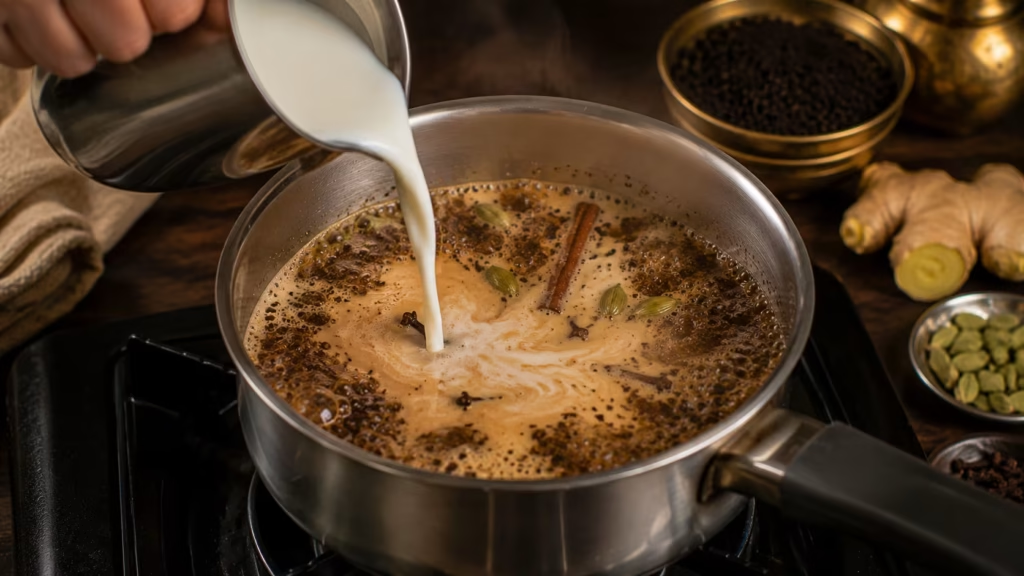
Pour in the milk slowly and stir well.
The classic milk-to-water ratio for traditional masala tea recipe is usually:
- 2 parts water
- 1 part milk
However, if you prefer creamier chai, you can increase the milk slightly. Bring the tea to a gentle boil over medium heat.
Step 5: Simmer the Chai
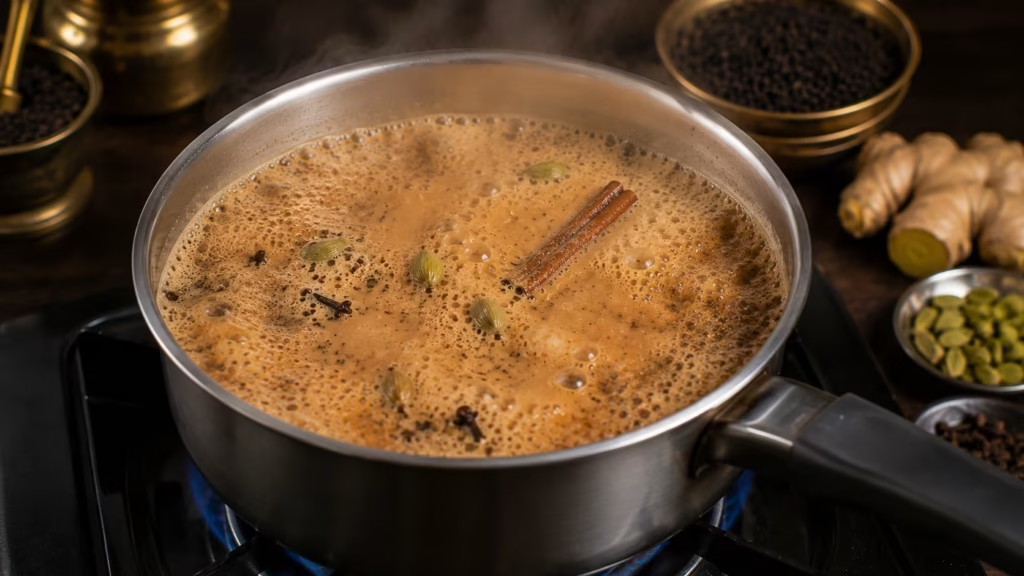
Reduce the heat and let the chai simmer for 3–5 minutes.
This slow tea simmering process blends:
- spices
- milk
- tea
- sweetness
into one smooth and aromatic tea.
Avoid rushing this stage. Proper simmering is what gives authentic Indian chai recipe with spices its rich texture and comforting taste.
Step 6: Add Sugar
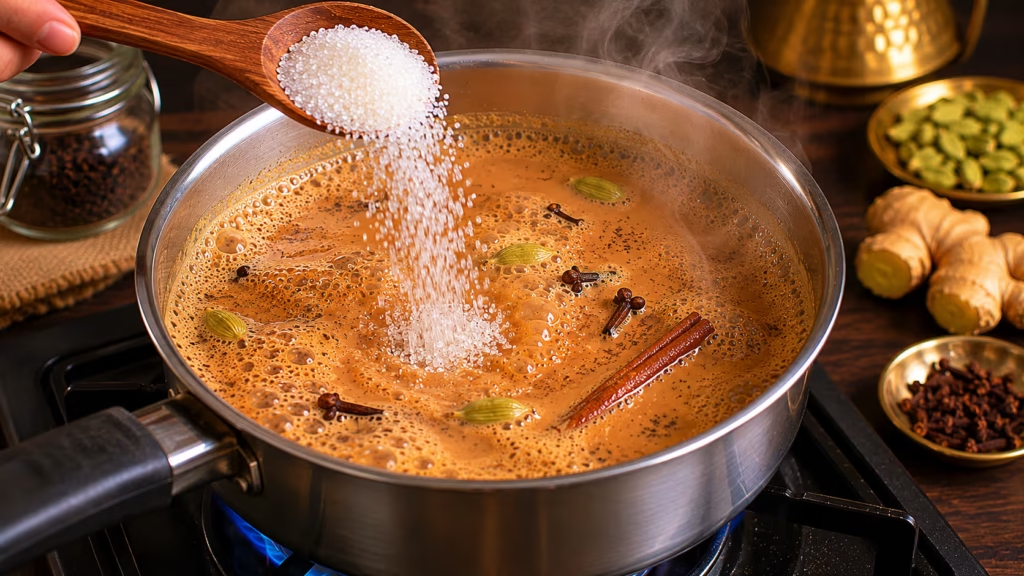
Add sugar at the end of cooking. Taste and adjust sweetness as needed. Some want the spicy taste stronger with less sugar, some like a sweeter street-style chai.
Step 7: Strain and Serve
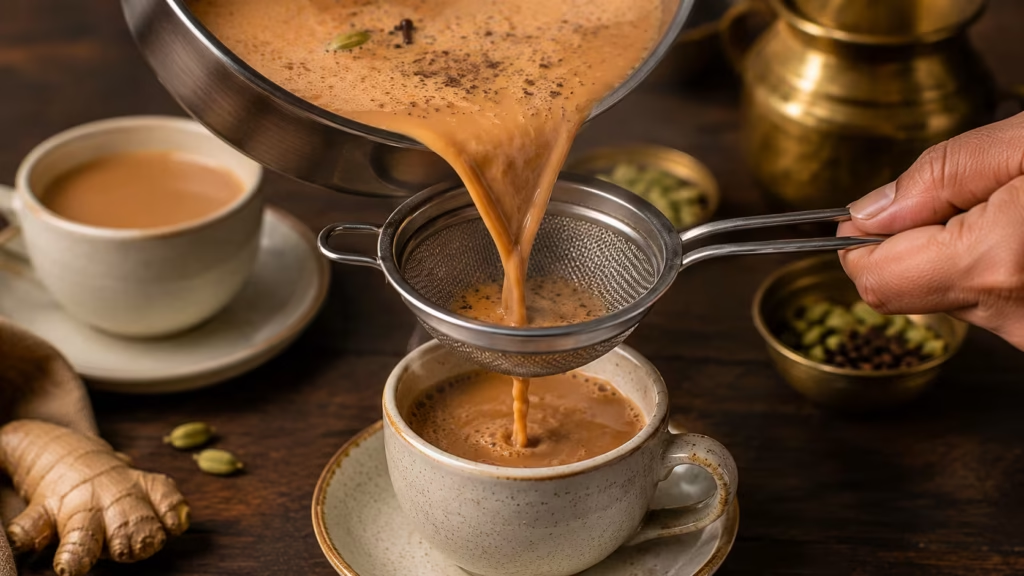
Pour chai into mugs using a tea strainer. Serve it hot. The finished cup should be quite aromatic with overtones of ginger, cardamom and creamy boiling milk tea.
This simple homemade masala chai recipe is best savored fresh off the stove.
Tips to Make the Best Masala Chai
This is the best masala chai recipe that is easy to make at home with a few practical strategies.
Use fresh spices: Freshly crushed spices make a richer tea aroma than pre-ground powders.
Don’t Skip the Simmering: The long, slow simmer lets flavors meld, and it creates a fuller body.
Control Tea Strength: If you want a stronger chai, you can add slightly more tea leaves and let it simmer a bit longer to generate a deeper and richer taste. For a lighter chai, use less tea leaves and boil for less time for a smoother, lighter flavor.
Balance the Chai Spices: Too much pepper will overwhelm the tea. Balance the spice blend for a smoother sip.
Use whole milk: Using richer milk will give your homemade Indian milk tea a better texture.
Avoid high heat: Tea can boil over fast. Medium heat provides better control when preparing chai.
Common Mistakes to Avoid While Making Chai
Even a basic recipe for spiced tea might be ruined if you speed the brewing process.
Boiling the Tea Too Much: If you boil the chai too long, the tea can get a bitter and too strong flavor instead of smooth and balanced.
Weak Tea Leaves: Weak tea leaves can make chai drab in flavor, lighter in color and less aromatic.
Too Much Spice: Using too many chai spices might mask the natural flavor of the tea and result in an uneven taste.
Wrong ratio of milk: Overly much milk makes tea overly heavy, too little milk makes it watery and thin.
Tea Burning: Always whisk the tea from time to time when boiling so that milk does not stick and burn.
Cutting Out Fresh Ginger: Chai made with fresh ginger tastes brighter and more real than chai made with ginger powder.
Variations of Homemade Chai
One of the reasons that homemade tea is so popular is its adaptability.
Ginger Chai: For a hotter, more flavourful taste add additional fresh ginger.
Cardamom Chai: For a sweeter aromatic tea, add more cardamom pods.
Tea with Jaggery: Use jaggery instead of sugar for a more caramelized sweetness.
Chai (Vegan): Oat milk or almond milk can be used instead of dairy milk.
With these little modifications, you can have many diverse versions of a spicy Indian tea recipe with a similar way of preparing it.
What to Serve with Traditional Indian Chai
A hot cup of chai pairs beautifully with simple snacks such as:
- biscuits
- rusk
- samosa
- pakora
- buttered toast
- mathri
These combinations make homemade chai feel even more comforting and satisfying.
Conclusion
The mixture of black tea leaves, milk, ginger, cardamom and fragrant spices results in a rich and tasty beverage that is both calming and energizing.
The traditional Indian chai is characterized by the freshness, balanced spice blend, creamy texture and handcrafted aroma. Once you have the hang of the simmering process and the spice balance, it’s easy to make authentic masala chai at home.So take your saucepan, grind those fresh spices and have a pleasant experience preparing a nice cup of handmade masala chai in your own kitchen.