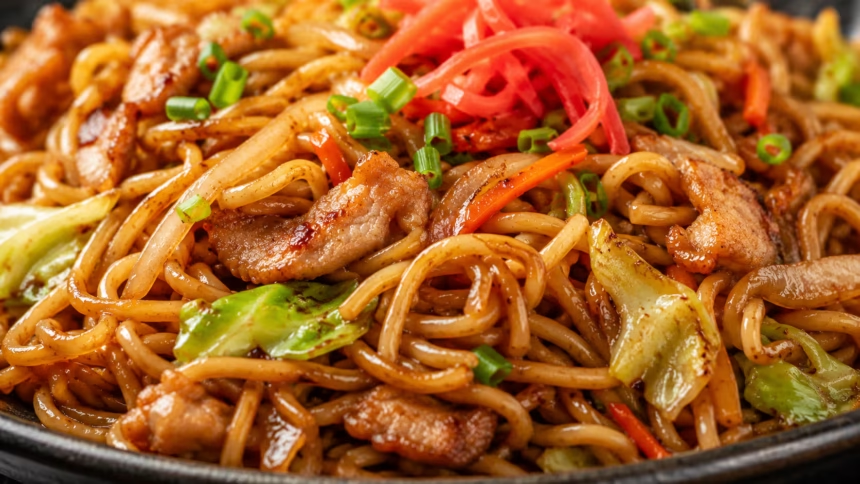
Yakisoba noodles is a Japanese stir fried noodle dish made with wheat noodles, vegetables, sauce, and meat or seafood. Cabbage, carrots, onions, chicken, and pork appear in many recipes. One serving usually contains 350 to 500 calories with carbohydrates, protein, fat, and sodium.
According to the United States Department of Agriculture food database, noodle stir fry meals provide quick energy because wheat noodles remain rich in carbohydrates.
Yakisoba works as a balanced comfort meal when the ingredients remain controlled. Vegetables add fiber and vitamins. Chicken or pork adds protein. Homemade Japanese noodles also allow better oil and sodium control compared to instant noodles. Many people use ramen noodles or vegetable yakisoba for lighter meals.
Yakisoba noodles cook fast and use simple ingredients found in most kitchens. The dish stores well for later meals and behaves as a quick lunch or dinner option.
READ MORE: Top One Pot Meals from Around the World
What Ingredients Are Needed For Yakisoba
A traditional yakisoba noodles recipe uses simple ingredients with balanced sauce quantity.
Main Ingredients
- 400 grams fresh yakisoba noodles
- 1 cup shredded cabbage
- 1 small onion, sliced
- 1 small carrot, julienned
- 150 grams chicken or pork slices
- 2 tablespoons cooking oil
- 2 chopped green onions
Sauce Ingredients
- 2 tablespoons soy sauce
- 2 tablespoons Worcestershire sauce
- 1 tablespoon oyster sauce
- 1 teaspoon sugar
- 1 teaspoon ketchup
- 1/2 teaspoon black pepper
Tum should prepare all ingredients before heating the pan because stir fried noodles cook quickly.
Best Noodles To Use For Yakisoba
Fresh yakisoba noodles remain the traditional option. These noodles stay chewy after stir frying.
Ramen noodles also work well for homemade Japanese noodles. Udon noodles create a thicker texture. Rice noodles appear softer and lighter.
| Noodle Type | Texture | Best Use |
| Fresh yakisoba noodles | Chewy | Traditional recipes |
| Ramen noodles | Firm | Quick meals |
| Udon noodles | Thick | Heavy sauces |
| Rice noodles | Soft | Light stir fry |
Fresh noodles usually absorb sauce better than dried noodles.
What Vegetables Go Well In Yakisoba
Vegetables add crunch in yakisoba noodles and color to noodle stir fry recipes. Cabbage remains the most common choice in Japanese food recipes.
Good Vegetable Choices
- Cabbage
- Carrots
- Bean sprouts
- Mushrooms
- Bell peppers
- Green onions
Vegetables That Release More Water
- Spinach
- Zucchini
- Bok choy
High water vegetables need quick cooking on medium-high heat.
How To Make Authentic Yakisoba Sauce
Authentic yakisoba sauce combines salty, sweet, tangy, and smoky flavors. Worcestershire sauce remains the base ingredient in many Japanese stir fry recipes.
Quick Sauce Method
- Add soy sauce to a small bowl
- Mix Worcestershire sauce and oyster sauce
- Add sugar and ketchup
- Stir until smooth
The sauce should lightly coat the noodles. Excess sauce often makes the noodles soggy.
How To Make Yakisoba Noodles At Home
Homemade yakisoba noodles cooks best in a wide pan or wok. High heat keeps the noodles firm.
Cooking Instructions
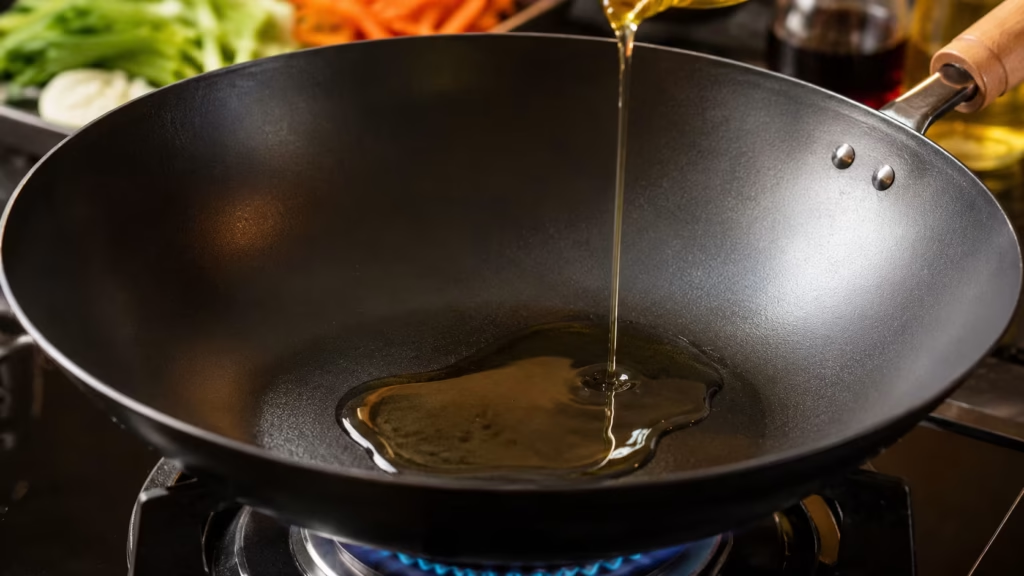
- Heat 2 tablespoons cooking oil in a wide pan or wok over medium-high heat.
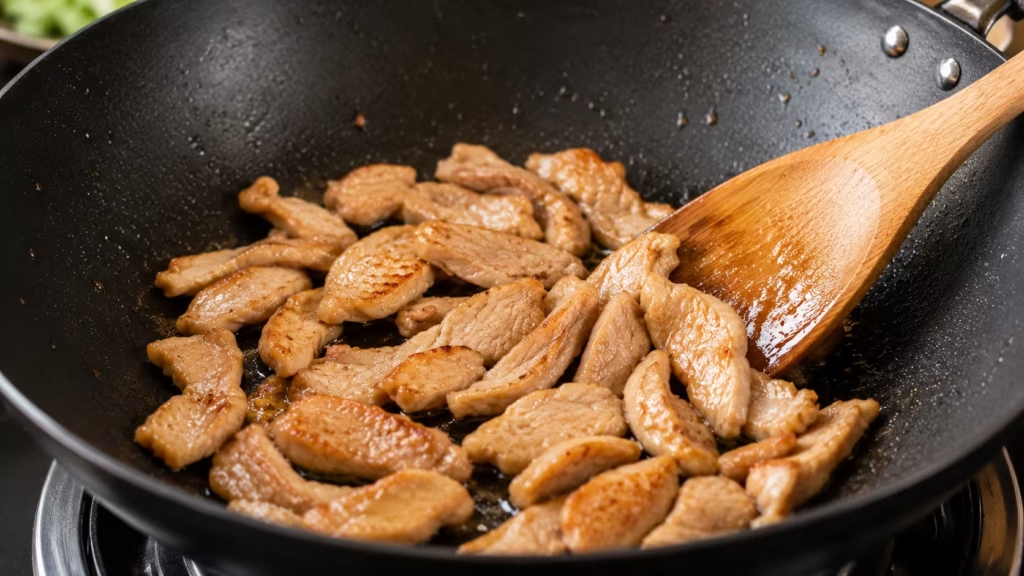
- Add 150 grams sliced chicken or pork. Cook for 4 to 5 minutes until lightly browned.
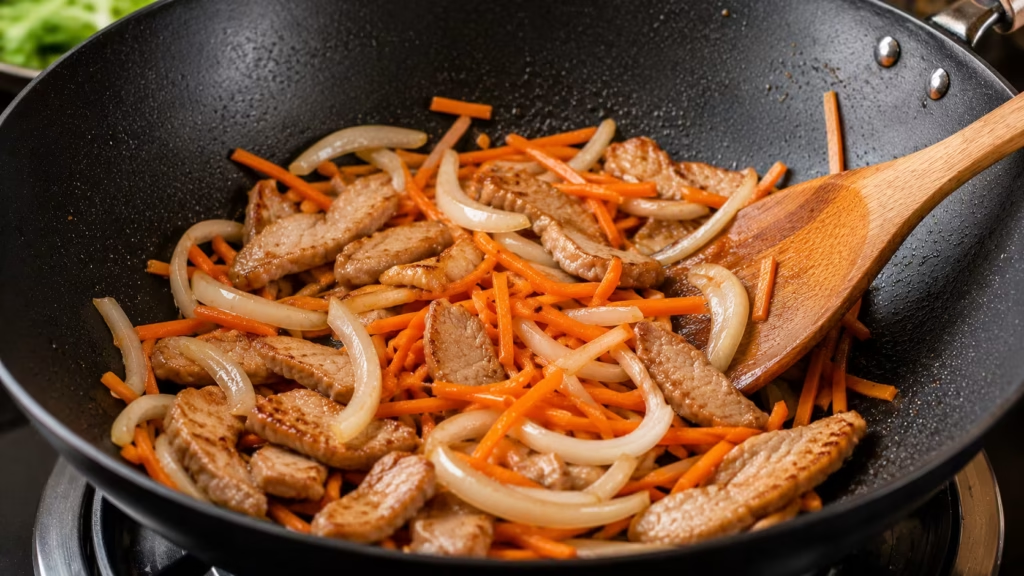
- Add 1 sliced onion and 1 julienned carrot. Stir fry for 2 minutes.
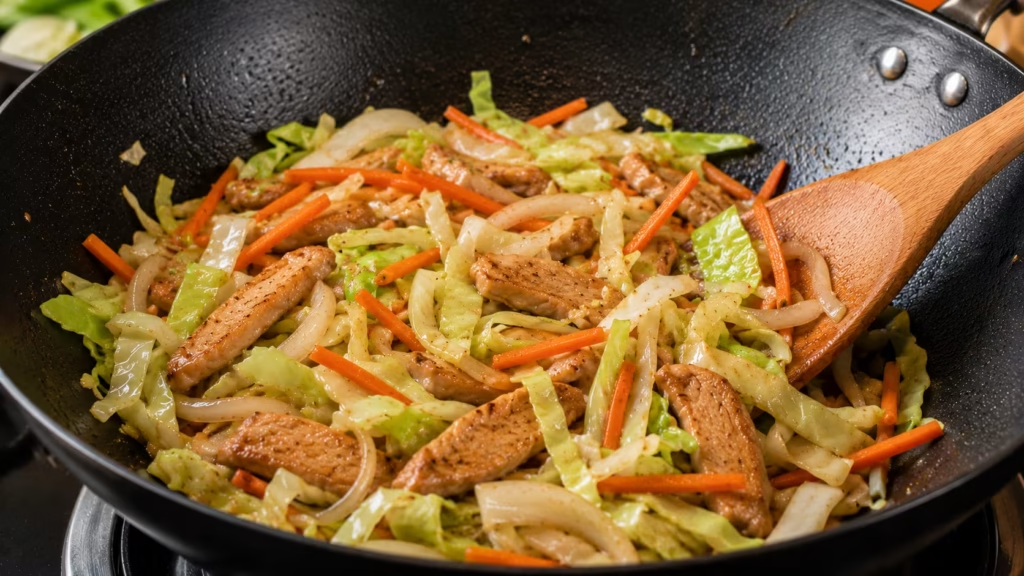
- Add 1 cup shredded cabbage. Cook for another 1 to 2 minutes until slightly soft.
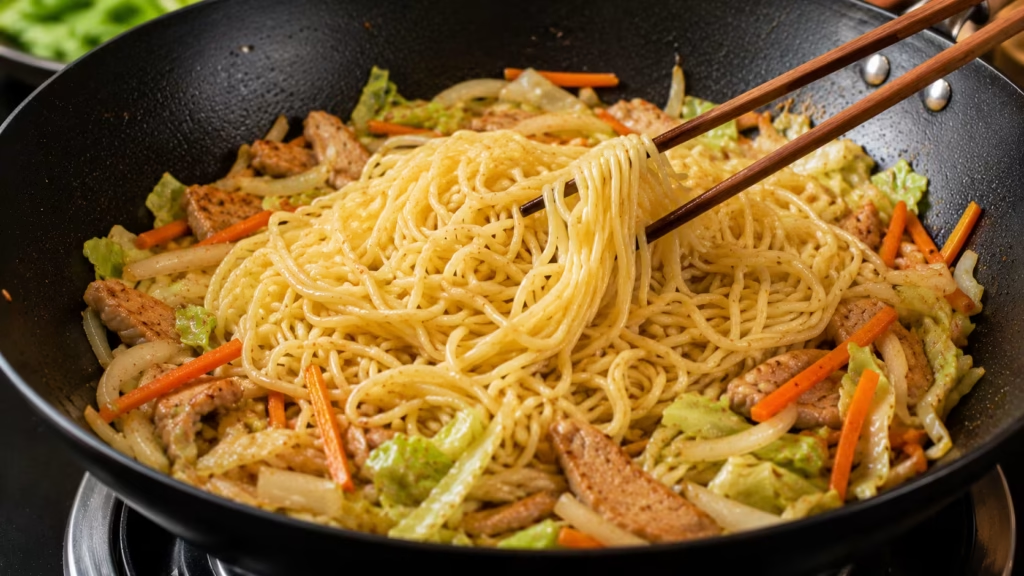
- Place 400 grams fresh yakisoba noodles into the pan. Separate the noodles gently using tongs or chopsticks.
- Mix the sauce in a small bowl:
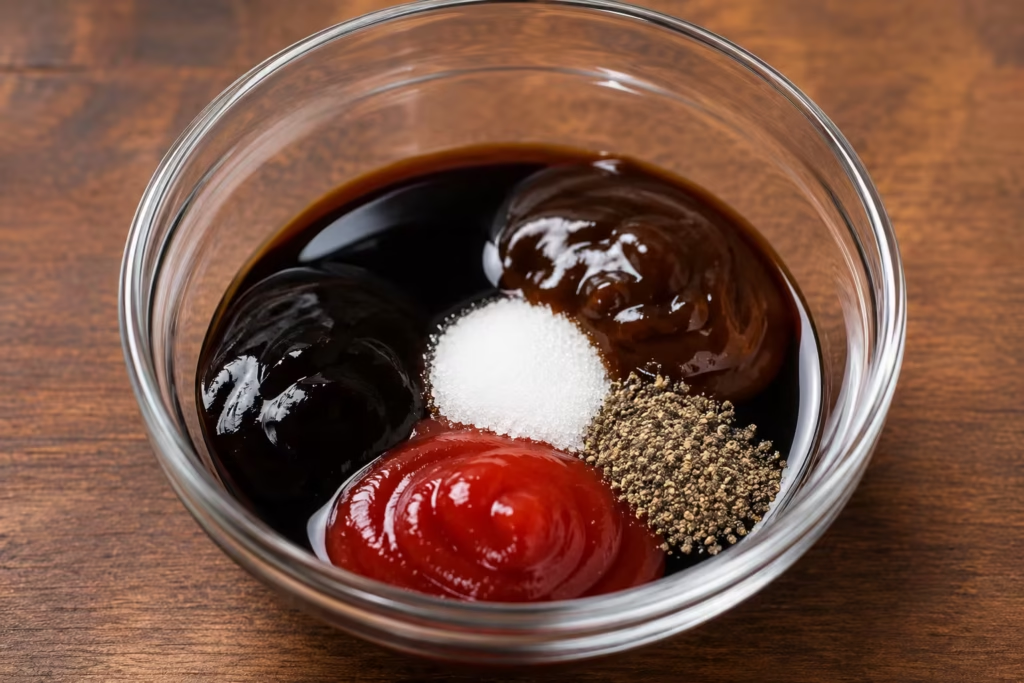
- 2 tablespoons soy sauce
- 2 tablespoons Worcestershire sauce
- 1 tablespoon oyster sauce
- 1 teaspoon sugar
- 1 teaspoon ketchup
- 1/2 teaspoon black pepper
- Pour the sauce evenly over the noodles and vegetables.
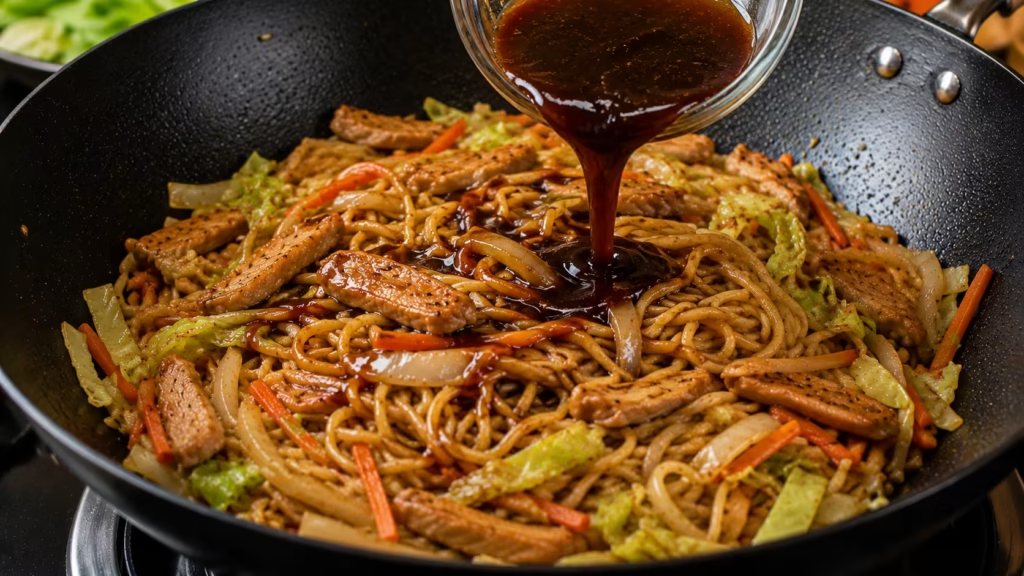
- Toss everything together for 2 to 3 minutes until the noodles appear glossy and lightly coated.
- Add 2 chopped green onions before turning off the heat.
- Serve the yakisoba noodles hot with sesame seeds, pickled ginger, or seaweed flakes if needed.
The noodles should appear glossy, not wet.
Tips For Perfect Yakisoba Noodles
Small adjustments improve noodle texture and flavor.
Useful Cooking Tips
- Use medium-high heat
- Dry noodles before cooking
- Add sauce near the end
- Toss noodles gently
- Avoid overcrowding the pan
Fresh noodles usually remain less sticky than overcooked noodles.
Try this Japanese Teriyaki Stir Fry for a quick weeknight meal that uses simple ingredients, balanced flavors, and fast one-pan cooking.
How To Keep Yakisoba From Sticking
Sticky yakisoba noodles usually reflect excess starch or low pan heat. Oil quantity also affects movement inside the pan.
Easy Solutions
- Rinse cooked noodles lightly
- Heat the pan fully before cooking
- Use enough oil
- Separate noodles with tongs
- Cook in smaller batches
A crowded pan often traps steam. The noodles then stick together quickly.
Why Yakisoba Noodles Turn Soggy
Soggy noodles appear when moisture remains trapped during cooking. Watery vegetables also affect texture.
Common Reasons
- Too much sauce
- Low cooking heat
- Overcooked noodles
- Excess vegetable moisture
- Covered pan during cooking
Quick stir frying usually keeps the noodles firm.
Common Mistakes When Making Yakisoba
Timing mistakes reduce flavor and texture quality in fried noodles.
Frequent Errors
- Adding sauce too early
- Cooking noodles too long
- Using cold noodles directly from the refrigerator
- Overloading the pan
- Adding too many watery vegetables
Good preparation reduces most cooking problems.
How To Store Leftover Yakisoba Noodles
Leftover yakisoba noodles store well for short periods inside airtight containers. Cooling the noodles first reduces moisture buildup.
| Storage Method | Recommended Time |
| Refrigerator | 2 to 3 days |
| Freezer | Up to 1 month |
Repeated reheating often changes noodle texture.
How To Reheat Yakisoba Without Drying It
Pan reheating behaves better than microwave reheating because the heat spreads evenly.
Best Reheating Steps
- Add one teaspoon oil or water
- Heat the pan on medium flame
- Toss noodles slowly
- Remove once heated evenly
The noodles should remain soft with light chewiness.
Conclusion
Yakisoba noodles remain one of the simplest Japanese noodle recipes for home cooking. Good noodles, balanced sauce, and high heat improve the final texture significantly. Small cooking adjustments also reduce sticking and sogginess in homemade noodle stir fry recipes.
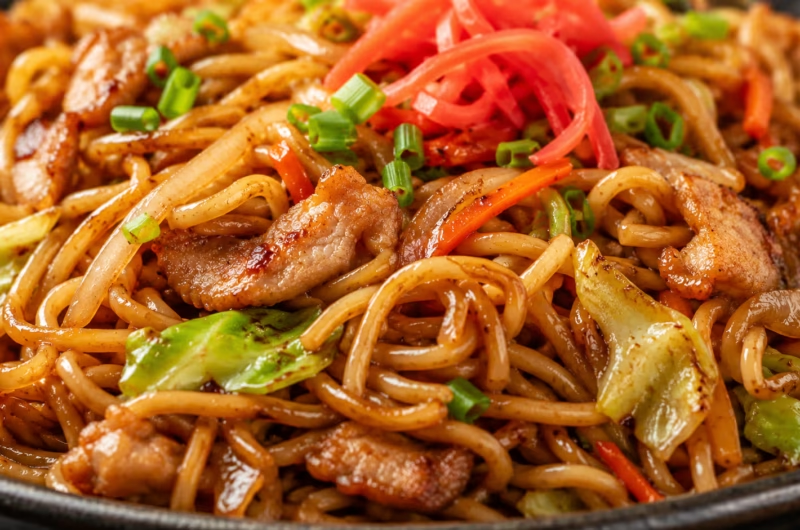
Easy Yakisoba Noodles Recipe In 20 Minutes
Course: Recipes4
servings10
minutes15
minutes420
kcalIngredients
400 grams fresh yakisoba noodle
150 grams chicken or pork slices
1 cup shredded cabbage
1 small onion, sliced
1 small carrot, julienned
2 tablespoons cooking oil
2 chopped green onions
- Yakisoba Sauce
2 tablespoons soy sauce
2 tablespoons Worcestershire sauce
1 tablespoon oyster sauce
1 teaspoon sugar
1 teaspoon ketchup
1/2 teaspoon black pepper
- Optional Seasonings
Sesame seeds
Pickled ginger
Seaweed flakes
Directions
- Heat cooking oil in a large wok or pan over medium-high heat.
- Add sliced chicken or pork. Cook for 4 to 5 minutes until lightly browned.
- Add sliced onion and julienned carrot. Stir fry for 2 minutes.
- Add shredded cabbage. Cook for another 1 to 2 minutes until slightly soft.
- Place fresh yakisoba noodles into the pan. Separate the noodles gently using tongs or chopsticks.
- Mix soy sauce, Worcestershire sauce, oyster sauce, sugar, ketchup, and black pepper in a small bowl.
- Pour the sauce evenly over the noodles and vegetables.
- Toss everything together for 2 to 3 minutes until the noodles appear glossy and coated evenly.
- Add chopped green onions before turning off the heat.
- Serve hot with sesame seeds or pickled ginger if needed.
Notes
- 1. Fresh yakisoba noodles remain less sticky during stir frying.
2 High heat helps keep the noodles firm.
3. Excess sauce may make the noodles soggy.
4. Tum can replace chicken with tofu or shrimp if needed.