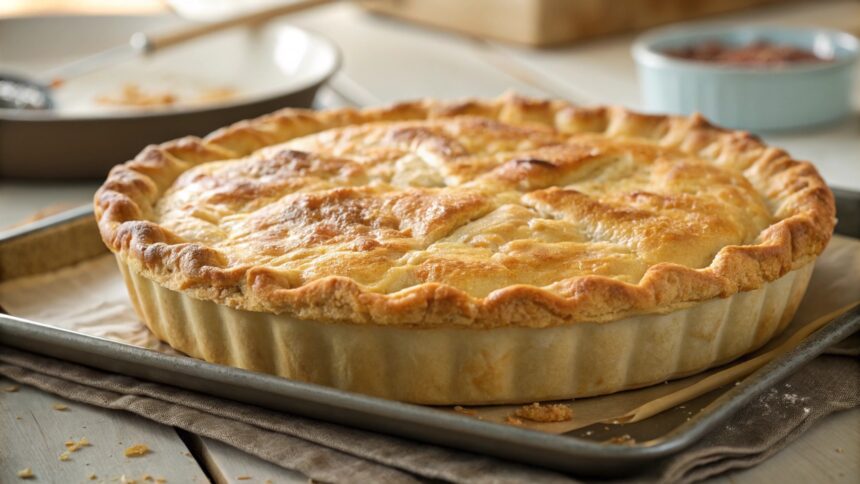
A good homemade pie crust recipe should include easy ingredients and be handled properly. The guide is meant to show you how to make a delicious pie crust recipe using traditional methods, which are suitable for both new and experienced pie makers.
- How to Make Homemade Pie Crust from Scratch
- How to Make Flaky Pie Crust with Butter
- Pie Crust Recipe with Cold Butter Technique
- Tips for Making Perfect Pie Dough at Home
- Secrets to Perfect Flaky Pie Crust Every Time
- How to Keep Pie Crust Flaky and Tender
- How to Make Pie Crust Without Rolling Pin
- Pie Crust Recipe Without Kneading Dough
- Easy Pie Crust Without Chilling Dough
- How to prevent pie crust from shrinking?
- Why is my pie crust not flaky but dense?
- How to prevent soggy bottom pie crust?
- How to stop pie crust from shrinking while baking?
- What are some common pie crust mistakes beginners should avoid?
- Conclusion
A good homemade pie crust recipe should be able to make the right balance of a tender crust and a flaky crust, whether you want to make a butter pie crust or an all-butter pie crust.
With the right pie dough technique, the homemade pie crust recipe can be made into an easy pie crust of the right consistency.
How to Make Homemade Pie Crust from Scratch
A homemade pie crust recipe is based on a simple technique that involves mixing flour and salt, then cutting butter into the mixture to create a coarse texture. This step is fundamental in determining the structure of a pie dough and, consequently, a flaky pie crust in a traditional pie crust recipe.
| Step | Process | Key Detail |
| 1 | Mix dry ingredients | Combine flour and salt for a basic pie crust base |
| 2 | Add fat | Cut in cold butter for a butter pie crust texture |
| 3 | Form crumbs | Keep mixture coarse for a flaky pie crust result |
| 4 | Add water | Sprinkle cold water gradually to bind the pie dough |
| 5 | Shape dough | Gather gently without kneading for an easy pie crust |
| 6 | Chill dough | Rest to improve structure and handling |
| 7 | Roll or press | Roll evenly or use a no roll pie crust method |
| 8 | Transfer to pan | Place carefully to maintain shape |
| 9 | Prepare for baking | Dock or fill as required for the pie crust recipe |
| 10 | Bake | Bake until golden for a firm, homemade pie crust |
How to Make Flaky Pie Crust with Butter
A homemade pie crust recipe that uses butter requires temperature control and mixing of ingredients in such a way that the mixture remains layered in order to produce a flaky crust in the end product. The steam produced by the butter during the baking process separates the layers in the dough of the homemade pie crust.
- Using cold butter to maintain the texture in the homemade pie crust
- Cutting the butter into small pieces
- Not overmixing the ingredients in the homemade pie crust
- Using water in moderation in the homemade pie crust
- Chilling the dough in the homemade pie crust
Pie Crust Recipe with Cold Butter Technique
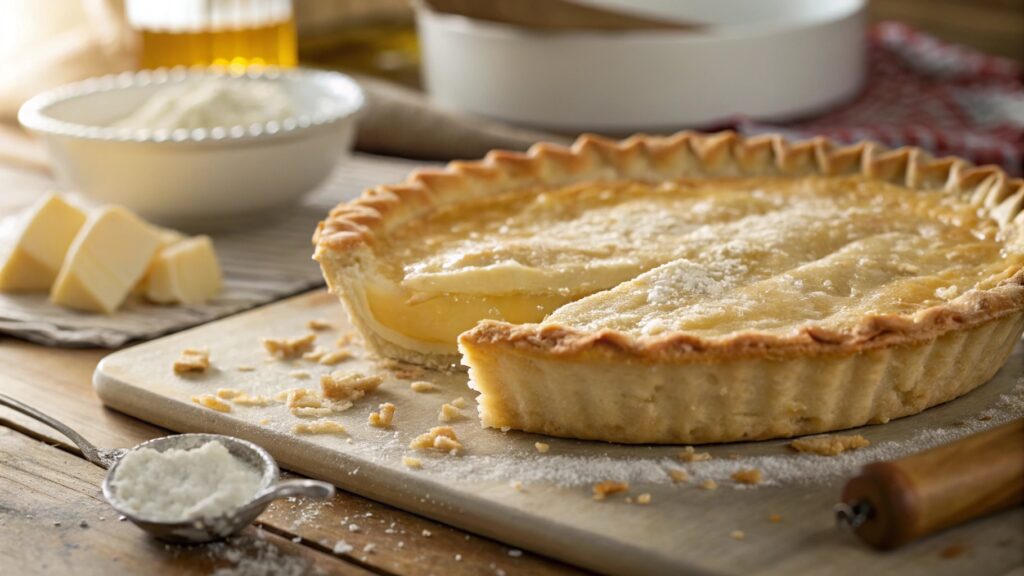
A homemade pie crust recipe that utilizes the cold butter method requires that all the ingredients be kept cold during the process. The cold butter method helps in creating pockets in the pie crust because the butter stays in solid form in the dough.
| Step | Process | Key Detail |
| 1 | Chill ingredients | Keep butter and water cold for a stable pie crust recipe |
| 2 | Mix dry ingredients | Prepare flour and salt for a basic pie crust |
| 3 | Add cold butter | Cut into flour for an all butter pie crust |
| 4 | Form coarse mixture | Maintain visible butter pieces for a flaky pie crust |
| 5 | Add ice water | Gradually combine to form the pie dough |
| 6 | Shape lightly | Avoid kneading to keep an easy pie crust texture |
| 7 | Rest dough | Chill before rolling for better handling |
| 8 | Roll and use | Prepare evenly for baking a homemade pie crust |
Tips for Making Perfect Pie Dough at Home
The homemade pie crust recipe requires careful handling to achieve a smooth workable pie dough. Changes in the process can make all the difference in the texture of the homemade pie crust, leading to an easy pie crust that can be used to make a stable pie crust.
- Using Cold Ingredients to Achieve Desired Texture in Pie Dough
- Using the Right Amount of Flour for a Pie Crust Recipe
- Mixing the Ingredients Just Enough to Achieve a Smooth Pie Dough
- Adding Water Gradually to Achieve an Easy Pie Crust
- Allowing the Dough to Rest
Secrets to Perfect Flaky Pie Crust Every Time
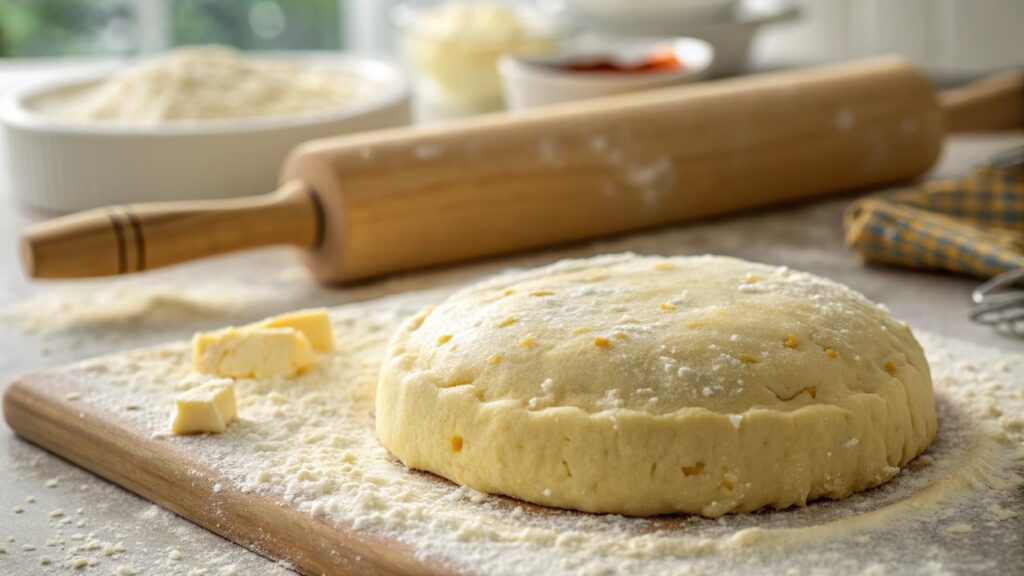
A homemade pie crust recipe is consistent when details are observed at each step. The flaky structure of the pie crust depends on the maintenance of layers in the pie dough. This is affected by the temperature and baking process in the traditional pie crust recipe.
- Keep the butter cold for the layers in the butter pie crust recipe
- Ensure the small pieces of butter are visible in the flaky pie crust recipe
- Do not overwork the pie dough to make it tender
- Chill the pie crust recipe before baking to make it stable
- Bake at the right temperature for the right pie crust recipe result
How to Keep Pie Crust Flaky and Tender
A homemade pie crust recipe stays both flaky and tender when the pie dough is handled with care and kept at the right temperature. The balance between fat and flour plays a key role in forming layers, which helps create a soft yet flaky pie crust in a consistent pie crust recipe.
- Use cold butter to maintain layers in a butter pie crust
- Avoid overmixing the pie dough to keep it tender
- Add just enough water for a soft easy pie crust
- Chill dough before baking to support a homemade pie crust
- Bake evenly to achieve a light and flaky pie crust texture
How to Make Pie Crust Without Rolling Pin
A homemade pie crust recipe can be prepared without a rolling pin by pressing the pie dough directly into the pan. This method suits a no-roll pie crust and simplifies shaping, while still producing an even easy pie crust with a soft and lightly flaky pie crust texture.
| Step | Process | Key Detail |
| 1 | Prepare the dough | Follow a simple pie crust recipe to form pie dough |
| 2 | Place in a pan | Transfer dough directly for a no-roll pie crust |
| 3 | Press evenly | Use fingers to spread for an easy pie crust |
| 4 | Shape edges | Form borders for a neat homemade pie crust |
| 5 | Dock base | Prevent air pockets in the pie crust |
| 6 | Fill or bake | Proceed based on the pie crust recipe |
Pie Crust Recipe Without Kneading Dough
A homemade pie crust recipe can be made without kneading by gently combining ingredients until the pie dough just holds together. This method helps maintain a soft texture and supports a tender, flaky pie crust without developing excess gluten in the pie crust recipe.
- Mix ingredients lightly to form the pie dough
- Avoid pressing or kneading to keep an easy pie crust
- Use cold fat for a proper butter pie crust
- Add water gradually to control the pie crust recipe texture
- Chill briefly if needed for a stable homemade pie crust
Easy Pie Crust Without Chilling Dough
A homemade pie crust recipe can also be prepared without chilling when time is limited, though careful handling is required. Keeping the pie dough cool during mixing helps maintain structure, allowing an easy pie crust to bake into a lightly flaky pie crust.
- Use cold ingredients to support the pie dough
- Work quickly to prevent softening in the pie crust recipe
- Handle gently to maintain a homemade pie crust texture
- Press or roll immediately for an easy pie crust
- Bake promptly to retain a light, flaky pie crust result.
How to prevent pie crust from shrinking?
A homemade pie crust recipe shrinks when the pie dough is stretched or overworked. Let the dough rest before baking, avoid pulling while placing it in the pan, and chill it properly so the pie crust holds its shape during baking.
Why is my pie crust not flaky but dense?
A homemade pie crust recipe turns dense when the butter is too warm or fully blended into the pie dough. Use cold butter and avoid overmixing so distinct layers form, resulting in a proper flaky pie crust instead of a compact texture.
Why does my pie crust crack when rolling
A homemade pie crust recipe cracks during rolling when the pie dough is too cold or dry. Let it sit briefly at room temperature and add slight moisture if needed, allowing the pie crust to roll smoothly without breaking.
How to prevent soggy bottom pie crust?
A homemade pie crust recipe develops a soggy base when excess moisture seeps into the pie crust. Pre-bake the crust slightly or use a hot oven so the bottom layer sets quickly, helping the pie dough remain firm.
How to stop pie crust from shrinking while baking?
A homemade pie crust recipe shrinks in the oven when the pie dough is stretched or not rested. Chill the crust before baking and press it gently into the pan without tension so the pie crust recipe maintains its structure.
What are some common pie crust mistakes beginners should avoid?
A homemade pie crust recipe often fails when the pie dough is overmixed, ingredients are not cold, or measurements are uneven. Avoid rushing steps, handle gently, and follow a clear pie crust recipe to achieve a consistent homemade pie crust.
Conclusion
A reliable homemade pie crust recipe depends on careful technique, balanced ingredients, and proper handling of the pie dough. By following each step with attention, you can create a consistent pie crust recipe that produces a tender and flaky pie crust.
Whether preparing an easy pie crust or an all butter pie crust, a well-practiced homemade pie crust recipe ensures dependable results and a strong base for many classic desserts.